Vintage Seals Illustration: Timeless Assets for Modern Design
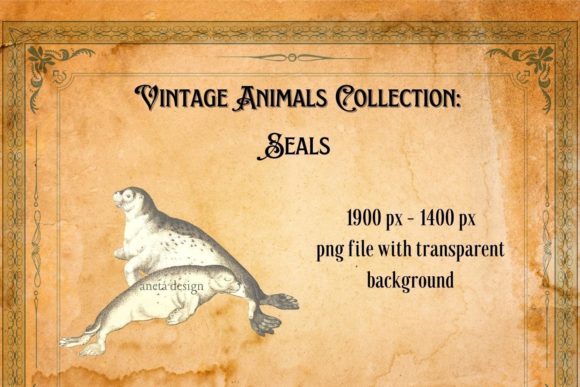
There’s an undeniable charm in design elements that carry a story, and few do it as eloquently as a well-crafted vintage seal. These intricate motifs, often sourced from historical print materials, offer a unique blend of authenticity and artistic craftsmanship that can instantly elevate a project. For designers seeking to add a layer of heritage and tactile quality to their work, exploring resources like the Vintage Seals Illustration collection from Aneta & Filip provides a direct link to this timeless aesthetic. Sourced from an old Polish children's book and meticulously prepared for high-resolution printing, these assets bridge the gap between historical artistry and contemporary digital application.
The Strategic Value of Vintage Aesthetics in Branding
In a digital landscape saturated with sleek, minimalist graphics, vintage elements create a powerful point of differentiation. Incorporating a vintage seal illustration into a brand identity does more than just decorate—it communicates values. It suggests tradition, reliability, and a commitment to quality. This visual shorthand is incredibly effective for businesses aiming to establish trust and a sense of established authority, whether for artisanal products, boutique studios, or heritage-inspired services.
Consider the application in logo design. A well-integrated seal can serve as the core mark or a secondary emblem, adding a stamp of credibility. In packaging design, it transforms a simple label into a collectible piece, enhancing the unboxing experience and reinforcing the brand’s narrative. The key is thoughtful integration, ensuring the vintage element complements rather than clashes with the overall modern aesthetics of the brand system.
Practical Applications Across Creative Projects
The versatility of high-quality clipart like the 300dpi PNG seals extends far beyond basic branding. Their transparent background and print-ready resolution make them invaluable for a wide array of creative projects. Here’s how designers and creators can leverage them effectively:
- Marketing & Social Media Graphics: Use seals to add a prestigious flair to promotional banners, certificate templates for online courses, or "approved" badges on social media content, boosting visual hierarchy and engagement.
- Editorial & Web Design: In editorial layouts or website UI design, they function as compelling section dividers, favicon alternatives, or interactive elements that guide user experience (UX) with a unique visual cue.
- Merchandise & Physical Products: The provided file is explicitly perfect for creating teacher gifts like mugs or t-shirts, but its utility extends to stickers, stationery, and custom apparel for any audience.
- Digital Products & Presentations: Enhance the perceived value of a PDF guide, worksheet, or professional presentation by incorporating these seals as decorative yet purposeful accents.
Tips for Effective Implementation
To maximize the impact of vintage design assets, adhere to core graphic design principles. First, ensure consistency. Use the same style of seal throughout a project to maintain visual cohesion. Second, pay attention to scale and placement; a seal should enhance the composition, not overwhelm it. Always consider your color palette—vintage illustrations often work best with muted, complementary tones or as standalone monochrome elements to preserve their historical character.
Furthermore, evaluate the asset's technical quality. A high-resolution, transparent PNG is essential for professional print design and clean digital integration. This allows for seamless layering over textures, photographs, or solid backgrounds without unsightly edges, ensuring a polished and professional presentation every time.
Ultimately, the thoughtful selection of creative assets is a hallmark of skilled design work. Elements like the Vintage Seals Illustration are more than just decorative pieces; they are tools for storytelling and building emotional resonance. By integrating such resources with intention and an understanding of visual communication, designers can create work that is not only aesthetically compelling but also strategically effective, leaving a lasting impression on any audience.