Elevate Your Projects with Pink Ink Design Elements
In the world of graphic design, the right texture and color can transform a flat layout into a compelling visual story. Pink ink design elements offer a unique blend of softness, energy, and artistic flair, making them a versatile asset for modern creatives. These elements, often characterized by fluid strokes and organic shapes, inject personality into projects ranging from branding to digital marketing. Understanding how to leverage such assets is key to creating designs that resonate emotionally and communicate effectively.
The Role of Texture in Visual Communication
Texture adds depth and tactile quality to digital work. Pink ink elements, in particular, can soften a corporate palette or add a playful touch to a minimalist aesthetic. They serve as powerful tools for creating visual hierarchy, guiding the viewer's eye, and breaking the monotony of solid color blocks. In branding, these elements can help establish a distinctive identity that feels both professional and approachable.
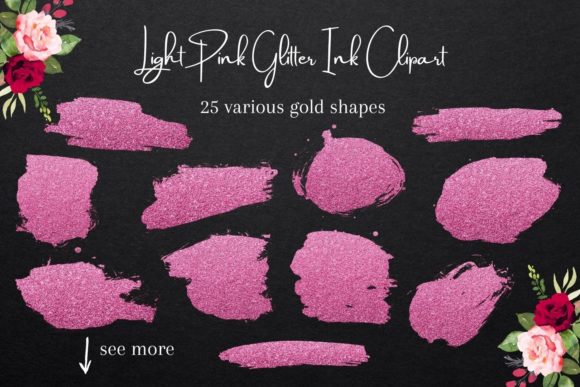
When selecting design assets, consider their technical specifications. A set of high-resolution PNG files with transparent backgrounds, for example, offers immense flexibility. They can be layered over photographs, integrated into typography, or used as standalone graphics without worrying about clashing backgrounds. This adaptability is crucial for maintaining consistency across various media.
Practical Applications Across Design Disciplines
The utility of pink ink design elements spans numerous creative fields. Their inherent versatility allows them to enhance both digital and print projects, ensuring a cohesive look across all touchpoints.
Branding and Marketing Materials
For brand identity projects, pink ink elements can be used to create unique logo accents, business card backgrounds, or letterhead designs. They add a human, handcrafted feel that can differentiate a brand in a crowded market. In marketing, these graphics are perfect for eye-catching social media posts, email headers, and promotional flyers, helping to increase engagement and brand recall.
Digital and Editorial Design
In web and UI design, subtle ink textures can improve user experience by adding visual interest without sacrificing readability. They work well as section dividers, button accents, or background patterns. For editorial layouts and blogs, these elements can frame text, highlight quotes, or create visually appealing pull-outs that break up long articles and enhance scannability.
Packaging and Merchandise
Packaging design benefits greatly from unique textures. Pink ink elements can be used on product labels, boxes, or shopping bags to create a premium, artisanal look. Similarly, they are ideal for merchandise like custom mugs, t-shirts, and tote bags, turning everyday items into stylish promotional products or gifts.
Tips for Effective Implementation
To maximize the impact of these creative assets, follow these practical guidelines:
- Maintain Consistency: Use elements from the same set or style family to ensure a unified look across your project. This strengthens brand identity and creates a professional presentation.
- Prioritize Readability: When overlaying ink textures on text, ensure sufficient contrast. Use them as background elements behind solid color blocks or apply them to non-critical areas to avoid compromising legibility.
- Consider Scalability: High-resolution files (like 300 dpi PNGs) can be resized for various applications without losing quality, from small social media icons to large-format prints and wall art.
- Align with Audience and Goals: Evaluate if the aesthetic of pink ink elements matches your project's tone and target audience. They often appeal to demographics that value creativity, femininity, modernity, or playful elegance.
Thoughtful design is about more than just aesthetics; it's about strategic communication. By carefully integrating quality assets like pink ink design elements, creators can elevate their work, ensuring it is not only beautiful but also effective in conveying the intended message and engaging the viewer on a deeper level.